

Maggie, the blogger behind The Artful Everyday, is the original author of this post, and all photo credits belong to her. You can find her original post here.
Hi travelers! Maggie here, from the blog The Artful Everyday. I’m a former Rome Abroad au pair in Italy who spent three months in Rome and eventually made it back for more (yes, I loved it that much). I can honestly say it was one of the best experiences of my life. Not only was it a great adventure, but I grew so much as an individual and learned so much about the world — and myself — along the way. I’d studied abroad in Florence a few years before that, so returning to Italy felt inevitable. Between both experiences, I’ve figured out how to make time abroad truly worthwhile.
I wanted to share some of that advice with future travelers, to help make your time abroad the best it can be. Some of it is easy to follow, and some of it will challenge you — but it’s all about personal growth and putting yourself out there, right? Especially when you’re halfway across the world, probably on your own for the first time. I cover everything from making friends (essential) to navigating social situations in a new culture. Follow along, and let me know if you have any advice of your own.
7 Tips for Your Time in Italy
1. Be Open-Minded and Laid-Back
Maybe not laid-back when you’re with the kids, but I digress! When you’re thrown into a completely new environment, you’ll always have a better experience if you stay open to whatever happens. Don’t place expectations on what life abroad will be like — embrace how it unfolds instead. This is especially helpful when living with a host family: learning to go with the flow will keep you sane, and your host family will appreciate the flexibility. Look at every situation in a positive light instead of comparing it to your life at home, and it’ll all feel like an exciting new experience.
2. Learn the Language
It’s not a requirement — for most au pairs, the goal is to teach the kids English — but picking up some Italian will help you blend into the culture you’ve been transplanted into. Because I was learning Italian, I had so many meaningful interactions with locals in Rome. It also came in handy in smaller towns, and Italians are genuinely appreciative when you try speaking their language. (They might even tell you your accent is cute.) One fun way to practice is a language exchange app like Tandem, where you can chat with native speakers — and maybe make a friend out of it. Many cities also have Facebook groups for language exchanges, which are a great way to meet people.
3. Remember, Communication Is Essential
Another reason I loved learning Italian was that I could practice it with my host parents. But regardless of the language, I found communication with them — in English or Italian — to be essential. That could mean checking in during the afternoon, sending a cute photo of the kids, or chatting before dinner if something didn’t go smoothly that day. Be ready to have conversations when you need to, whether about the kids or the city itself. My host family was a wealth of information, from which bus to take to the best park for a morning run to the places I had to visit in Rome. A local’s perspective is always the best, so take advantage of it. Staying in open communication about the kids will also keep everyone on the same page, which helps avoid confusion — especially around cultural differences you might not notice right away.
4. Don’t Overbook Yourself
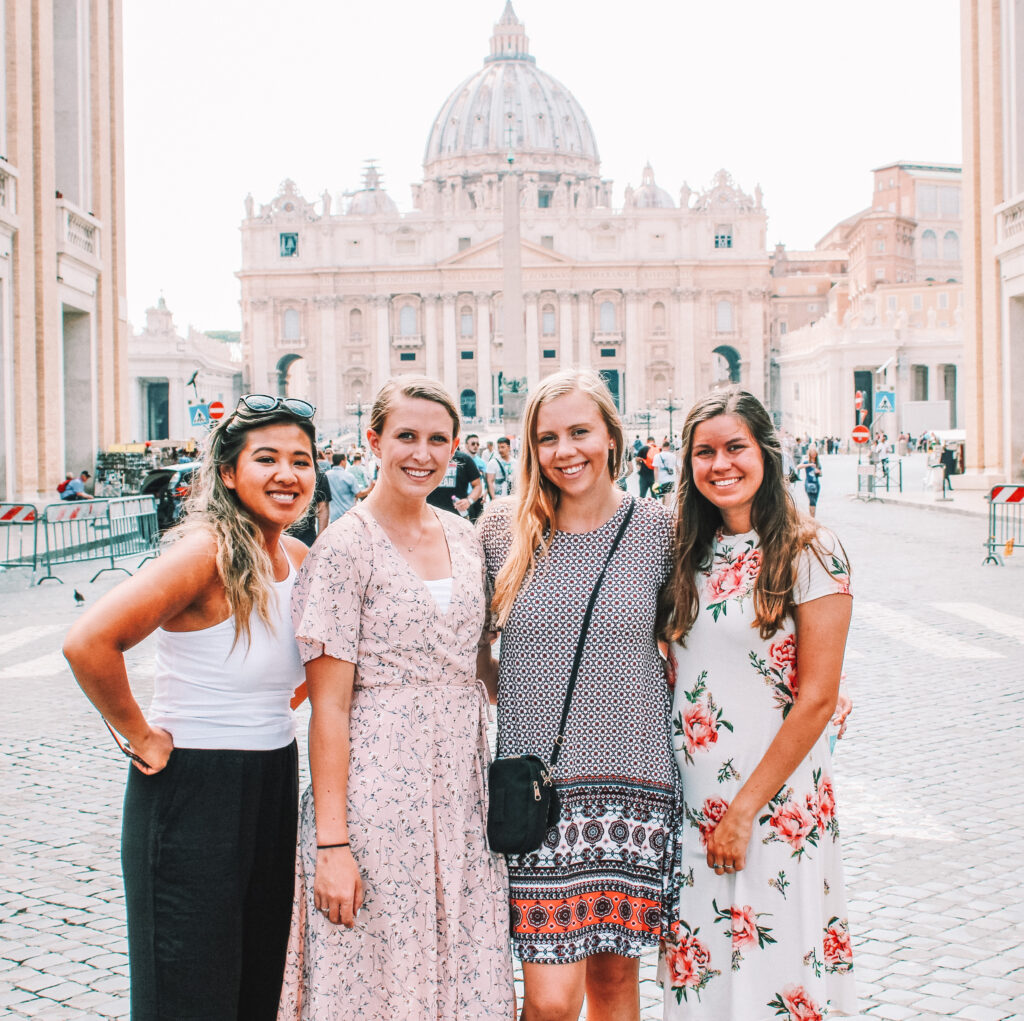
Cheap flights and bargain train tickets can tempt you out of the city most weekends, but my favorite weekends were the ones I spent in Rome. I definitely booked a few too many trips — to the point where I was sad to leave Rome, even for a couple of days. I’d made new friends and wanted to spend more time actually living in the city, not just passing through it. So travel and see the country, absolutely, but give yourself equal time to explore the place where you’re living.
5. Be Realistic With Your Budget
Along those lines, staying put for the weekend is also a great way to save money. It’s tempting to eat out constantly (there’s pizza and pasta on every corner, after all), but your host family provides meals too — and chances are, at least one of your host parents is a great cook. Another way to save is to pack snacks when you’re out exploring or traveling. Produce is cheap in Italy, so I always brought fruit along (okay, and a biscotti or two — who can resist?). If you do travel, staying in hostels or splitting an Airbnb with friends helps keep costs down.
6. Take Every Connection You Can to Make Friends
One of the nice things about traveling with a program like Rome Abroad is the built-in community, especially in a bigger city like Rome — you’ll have companions right away. But don’t stop there. I met my best friend because our host moms connected us (our kids went to the same school). She lived nearby and our kids had similar schedules, and through her I met a whole network of people to spend time with. I also got to know my host family’s relatives and our housekeeper, so I never felt lonely.
Ordering a coffee can feel like a paralyzing experience the first few times. But once you do it, you’ll be fine — and if you try with a smile on your face, people will be more than willing to help you out.
7. Don’t Be Afraid to Go Out by Yourself
My second Friday night in Rome, I had plans with a friend for dinner. She had to cancel to stay with her kids (remember, be flexible), and I was bummed out. My host mom sweetly suggested I eat dinner at home and then go for a walk. So I did — and ended up sitting at the place that would become my go-to caffè, drinking a Spritz by myself and taking in this new journey I was on. I’d been dreaming of that exact moment for so long that I needed a minute just to appreciate it, even alone. It was almost better that way — Italians will never rush you or judge you for being solo. Doing ordinary things in a new culture can feel intimidating at first, and ordering that first coffee is a perfect example.

Want More?
For more tips on traveling in Italy, check out Maggie’s Ultimate Guide to Traveling in Italy. She also has ideas on where to go in Europe, what to pack, and where to stay over on her blog. Buon viaggio!
FAQ: Tips for Traveling to Italy
Do I need to speak Italian before I go?
No — most au pair placements are looking for English speakers to help kids practice, not the other way around. That said, picking up even basic Italian will make everyday life easier and help you connect with your host family and community.
How much free time will I have to travel around Italy?
This varies by host family and placement, but most au pairs have regular time off to explore. The advice above still applies: balance weekend trips with time spent actually living in your host city, rather than treating it as a layover between train rides.
Is it normal to feel nervous about doing things alone at first?
Completely normal — most travelers feel this way before their first solo coffee, walk, or errand in a new country. It gets easier quickly, and many alumni say those small solo moments end up being some of their favorite memories.
What’s the best way to make friends as an au pair in Italy?
Start with the built-in community your program provides, then follow every natural connection from there — other host families, neighbors, language exchange partners, and friends of friends. Being open and saying yes to invitations goes a long way.
If reading Maggie’s story has you dreaming about your own months in Italy, we’d love to help you get there.

Part of the Rome Abroad team helping young women live and work abroad as au pairs since 2015.


