

What It’s Really Like to Adjust to Au Pair Life in Italy
Six weeks into her placement, Rome Abroad au pair E was more herself than she’d ever been. Her week-in-review below is a real, unedited look at what the adjustment period actually feels like.
If you’re weighing whether you could feel at home somewhere you’ve never been, her story is a good place to start.
Key Takeaways
- Feeling “at home” abroad often arrives gradually, through small routines, not a single dramatic moment.
- Language struggles are normal in the early weeks and don’t mean the placement isn’t working.
- Host families who check in regularly (“How is Italy for you?”) help au pairs process the adjustment in real time.
- Quiet, ordinary evenings with host kids can become some of the most meaningful parts of the experience.
- A slower pace of life abroad can teach habits — like savoring a meal or a conversation — worth keeping long after the placement ends.
This Week, In Her Own Words
What she was grateful for
Knowledgeable tour guides.
The most challenging part
Struggling with the language.
Her “wow” moment
Her host mom and dad went out for the evening, so she stayed in with the kids. It was great.
Her Full Week in Italy
Imagine this.
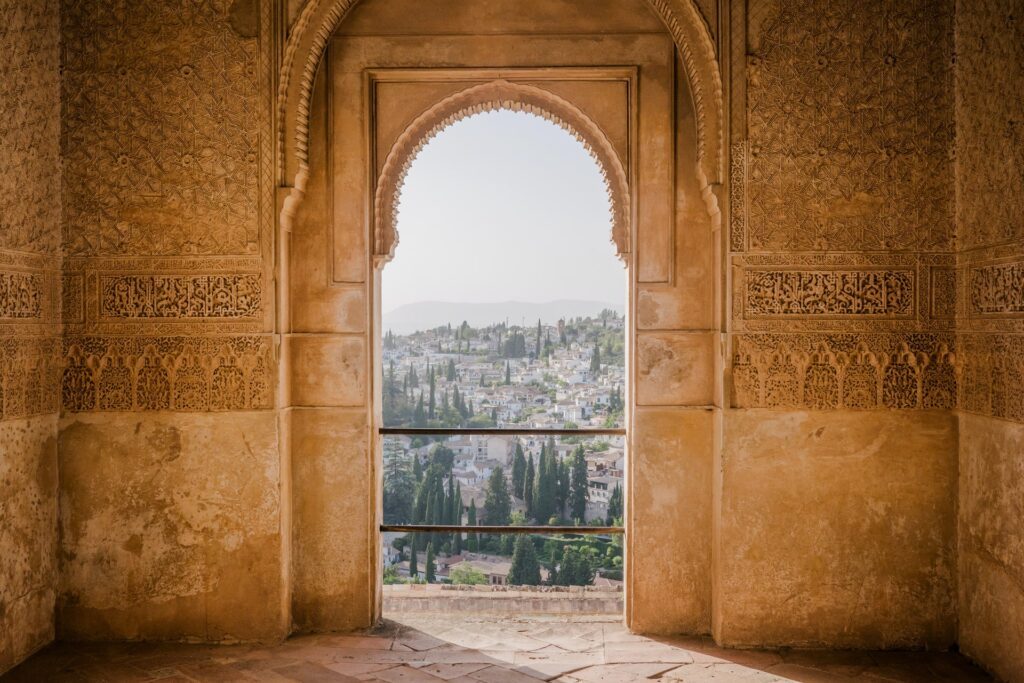
It is the perfect temperature outside. The sun is shining. And you are sitting beneath a canopy of wisteria and honeysuckle, the smell of them filling you up as the folks around you talk in rapid-fire Italian and laugh at jokes you are beginning to understand. Any minute now they’ll bring you antipasto, and you will twist your fork around beef just barely browned at the edges, prosciutto with honey and walnuts, fresh mozzarella. The children will try to speak English to you, even the ones who don’t know it well yet, and you will delight with them in all their discoveries and accomplishments, which they are anxious to share with you.
This is my reality.
It’s taking my eyes some time to get adjusted to the brightness of it all, and it’s taking my brain some time to process how amazing it is that I have been where I have been.
My host family is always checking on me. “E, how is the [food I just tried]? E, how do you like everything? E, how is Italy for you?” And I always tell them, “Italy is great! Italy is beautiful!” It sounds sarcastic, but I mean it every time.
Words are…garbage, especially when it comes to explaining things that you yourself are still processing. But how do you explain the beauty of something without telling people it was beautiful? How do you make them feel that beauty in their soul like you do in yours? You can’t. And so you use your inadequate words and you tell them, “Italy is beautiful.” Even though you mean something much deeper and richer than that.
The most extraordinary thing is that I somehow belong here. Here where I have no pre-existing family or friends, where I came not knowing a single soul, where I don’t speak the language or know the customs, somehow, I belong. These people are my people. This place is my place.
Maybe it’s the sunshine, or the tiny daisy weeds perfect for weaving into a crown. Maybe it’s the drama in the cadence of the words they speak as they draw them out and smack them down, bright and full of highs and lows. Maybe it’s how everybody is with their families, or the church bells ringing on the hour, or the birds waking me up every morning. I don’t need to know what it is, I just need to love it all. I don’t have much time here; just enough to teach me to live la dolce vita.
It isn’t without its quirks, though. Just the other day I visited an ossuary — which is Catholic for, “a room full of bones.” There’s literally skeletons in the closet everywhere, piling up just purely because of the age of everything. Italy has seen civilization for so many years. Too many not to have a few weird things hidden in its nooks and crannies. But Italy is like life — with its fair share of historical ups & downs, even its occasional macabre reminders of death.
Italy is vibrant. There are quiet strolls into the town center, and mornings on the balcony where one cannot help but feel like Juliet (except, hopefully, a good deal wiser), and moments of stillness and creation that feed your heart and soul, but there is so much life, so much buzzing and clinking and flavors and colors and especially words and laughter spilling out of every conversation, every hallway, every door. It is the very best of everything, and I am convinced that Italy would never give me a chance to dislike it.
I think of years in the future, when someone will mention Italy, and a slow smile will start on my face. “I spent a springtime there once,” I’ll tell them. “It’s beautiful.”
If a week like this one sounds like something you want for yourself, you can learn more about what placements look like on our au pair program in Italy page.
FAQ: Adjusting to Au Pair Life in Italy
Is it normal to still struggle with the language after a few weeks?
Yes. Most au pairs are still working through real language gaps well into their first month or two, even while daily life is going smoothly overall. Language ability tends to catch up as immersion continues.
How long does it typically take to feel “at home” as an au pair?
It varies by person, but many au pairs describe a turning point somewhere in the first couple of of weeks to months, once daily routines with the host family start to feel familiar rather than new.
What role does the host family play in the adjustment period?
Host families who check in regularly and involve their au pair in everyday life — meals, outings, conversation — tend to make the early weeks feel less isolating and help the au pair settle in faster.
Do au pairs get to travel and explore during their placement?
Most au pairs have time off to explore their host country and region, in addition to their regular childcare schedule, which is part of what makes the experience feel like more than just a job.
If E’s week in Italy sounds like the kind of life you want to try on for yourself, we’d love to help you find a host family of your own.

Part of the Rome Abroad team helping young women live and work abroad as au pairs since 2015.


