

Before becoming an au pair, alumni say the most important things to know are: get honest with yourself about homesickness before you land, set clear expectations with your host family early, brush up on practical childcare and basic language skills, and choose a guided program instead of going it alone so you have support when questions come up. Those four themes came up again and again when we asked Rome Abroad alumni what they wished someone had told them before their first flight.
Key Takeaways
- Homesickness is normal in the first few weeks — alumni say naming it in advance made it easier to manage.
- A short, honest conversation with your host family about routines and expectations prevents most early misunderstandings.
- Basic childcare experience and a few weeks of language practice go a long way, even if you’re not fluent.
- Rome Abroad’s full placement program is a $600 one-time, credited screening fee that includes host family matching, preparation, training, and support.
- Alumni consistently say having a support system during the placement — not just before it — made the biggest difference.
What Do Au Pair Alumni Wish They’d Known Before Leaving?
We reached out to alumni from our Italy, Spain, France, and Australia placements and asked one question: “What do you wish you’d known before you became an au pair?” Their answers clustered around a handful of themes — emotional readiness, communication with host families, practical skills, and the value of having support in place before problems come up.
None of them said they regretted going. But almost everyone said they’d have felt more confident walking in if someone had been straight with them about what the first month actually feels like.

How Should You Prepare Emotionally Before Becoming an Au Pair?
The single most common answer we heard: expect to feel homesick, and don’t treat it as a sign something is wrong.
- “I thought loving the idea of moving abroad meant I wouldn’t miss home. I missed home. It just didn’t cancel out how much I also loved being there.” — Alumna, placed in Spain
- “Nobody told me the first two weeks would be the hardest, so when they were, I panicked and thought I’d made a mistake. I hadn’t — I just needed to get through the adjustment.” — Alumna, placed in France
- “I wish I’d built in a plan for low days before I left — a call schedule with my mom, a journal, something. Anything.” — Alumna, placed in Italy
Culture shock and homesickness are a normal part of any extended stay abroad, not a signal that the placement is wrong for you. Alumni suggest scheduling regular calls home in advance, packing a few comfort items, and giving yourself permission to have an adjustment period rather than expecting instant ease.
What Do Alumni Say About Communicating With Host Families?
The second biggest theme was communication — specifically, how much smoother things went when expectations were discussed early and directly, rather than assumed.
Ask about daily routines before you arrive
Alumni recommended asking specific questions ahead of time: what does a typical weekday look like, what are the kids’ schedules, what house rules matter most to the family. Vague expectations on either side tend to create friction in week one.
Say something small before it becomes a big thing
“The best advice I got was to bring up little frustrations while they were still little,” one Italy alumna told us. “I waited too long once, and it turned into a bigger conversation than it needed to be.”
Remember it’s a two-way relationship
Host families are adjusting too. Several alumni pointed out that patience goes both directions — the family is learning your habits and communication style at the same time you’re learning theirs.
What Practical Skills Should You Brush Up On Before You Go?
Beyond mindset, alumni had concrete, practical suggestions for how to prepare in the weeks before departure.
- Childcare basics. Even a little formal or informal childcare experience — babysitting, camp counseling, tutoring — builds confidence fast.
- Language fundamentals. You don’t need fluency, but alumni say learning greetings, food words, and a few emergency phrases before arrival makes the first weeks far less stressful.
- Basic cooking. Knowing how to make a few simple, kid-friendly meals is more useful day to day than almost anything else on this list.
- A rough budget. Understanding what room, meals, and weekly pocket money will realistically cover — and what extra costs to plan for — helps you avoid financial surprises.
“I practiced cooking three meals on repeat before I left, and it made me feel so much more capable that first week,” one Australia alumna said. “It sounds small, but it wasn’t.”
What Surprised Alumni Most About Daily Life Abroad?
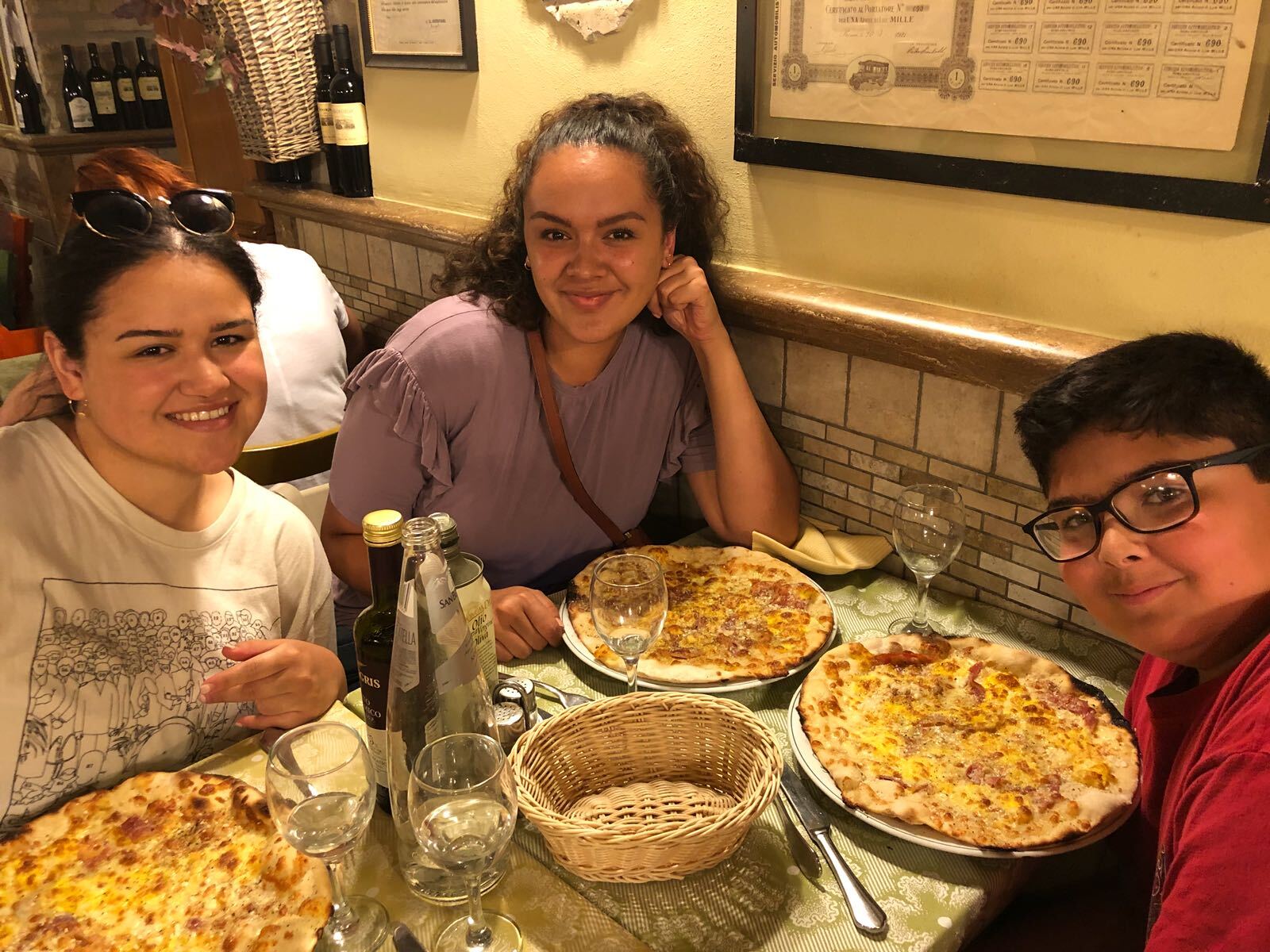
Almost every alumna mentioned that the rhythm of daily life looked different from what they’d imagined — in good ways and challenging ones.
- “I expected constant adventure. What I got was a lot of ordinary, lovely days — school pickups, grocery runs, dinner routines — with adventure mixed in on weekends. I ended up loving the ordinary part just as much.” — Alumna, placed in France
- “Making friends took longer than I expected. It happened, but not in the first week like I’d hoped.” — Alumna, placed in Spain
- “I underestimated how much free time I’d actually have, and I wish I’d planned more of it in advance instead of scrambling once I was there.” — Alumna, placed in Italy
The takeaway: pack realistic expectations along with your suitcase. The everyday moments end up mattering as much as the big trips.
How Can a Guided Program Help You Avoid Common Au Pair Mistakes?
A recurring point from alumni was gratitude for not having to figure everything out alone. Matching yourself with a host family through an unvetted, DIY listing site leaves you guessing about all of the issues above — routines, expectations, safety, and support — with no one to call if something feels off.
Rome Abroad has placed more than 350 au pairs since 2015 through a guided, structured process rather than a self-serve listing site. That means every host family is vetted, every participant goes through preparation and training before departure, and support continues throughout the placement — not just up until the plane ticket is booked.
If you’re weighing where to start, our Italy au pair program page walks through what a guided placement actually looks like, including preparation, matching, and ongoing support once you’re there.

What Would Alumni Tell Their Past Selves?
We closed our alumni outreach with one last question: if you could go back and tell yourself one thing before you left, what would it be?
- “Trust the process, even when the first week feels hard. It gets easier.”
- “Ask more questions upfront — nobody minds a curious au pair.”
- “You don’t have to have it all figured out. That’s what the support is for.”
That last point came up more than any other. Almost every alumna said that knowing help was available — someone to call, a process to lean on — made the hard moments feel manageable instead of overwhelming.
FAQ
What is the most important thing to know before becoming an au pair?
Alumni consistently say the most important thing to know before becoming an au pair is that an adjustment period is normal — homesickness in the first few weeks doesn’t mean you made the wrong choice. Rome Abroad builds preparation and support into every placement specifically to help with this transition.
How much does it cost to become an au pair with Rome Abroad?
Rome Abroad’s full placement program is a one-time, credited screening fee of $600, which includes host family matching, preparation, training, and ongoing support. For US citizens who only need help with the visa process, Rome Abroad also offers Visa Support Only for $300.
Do I need childcare experience before becoming an au pair?
Some prior childcare experience is helpful, but you don’t need to be a professional. Alumni recommend brushing up with babysitting, camp counseling, or tutoring beforehand, and Rome Abroad’s preparation and training process is designed to build your confidence before you arrive.
How does Rome Abroad support au pairs once they’re placed?
Rome Abroad provides support throughout the placement, not just during matching and preparation. Alumni specifically point to that ongoing support — someone to reach out to when questions or concerns come up — as one of the biggest differences between a guided program and finding a host family independently.
If reading what alumni wish they’d known has you thinking seriously about your own au pair year, the next step is finding out if the program is a fit for you.

Part of the Rome Abroad team helping young women live and work abroad as au pairs since 2015.


