
You know what’s the best? A vacation. You know what’s even better than the best? Celebrating a local holiday while you’re on vacation! Not only are you kind of feeding two birds with one scone, but you also get to experience something most tourists never get close to.
So here’s our roundup of the best Italian holidays. If you live in Italy for a few months on an au pair program, there’s a good chance you’ll experience one or more of these celebrations. If you’re only visiting for a short trip, it’s worth timing it around one of these dates.
How Holidays Work in Italy
In Italy, there are nationwide holidays and city holidays. Each city has its own patron saint’s day, and it’s a big deal. It’s an excuse for the entire city to:
- take a break from work
- dine and drink with friends
- be loud(er)
- have fun
Italian culture is fun, extroverted, and laid-back. Italians really know how to celebrate, and they’re known for finding excuses — however small — to throw a festival. When you have a warm climate, good food, and good friends, who can blame them?
City Holidays
Here are some of the best-known city holidays in Italy:
1. Pisa — San Ranieri, aka Luminara
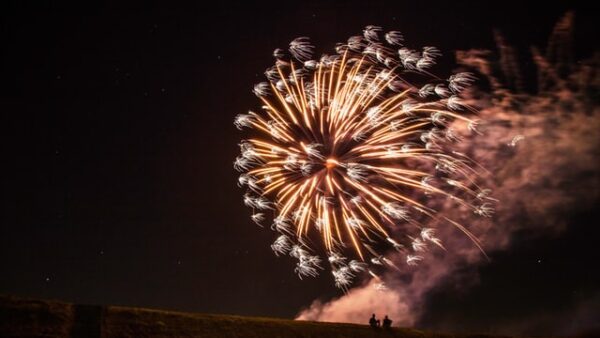
Luminara is celebrated each year on June 16, in honor of San Ranieri, the patron saint of Pisa. The whole city is lit with candles along the riverbanks, and there’s a firework show over the River Arno. It’s incredible, and worth experiencing at least once.
2. Rome — La Festa di San Pietro e Paolo (St. Peter & St. Paul)
La Festa di San Pietro e Paolo is celebrated on June 29. The city displays “floral carpets” outside St. Peter’s Square, and there are fireworks at night. Rome is already pretty amazing — during a full city-wide festival, it’s even better.
3. Venice — Festa del Redentore (The Redeemer)
Festa del Redentore falls on the third weekend of July each year. Venice is pretty incredible during the day, but picture a giant firework display over St. Mark’s Basin at night. Add this one to your bucket list.
4. Florence — La Festa di San Giovanni (Feast of St. John)
Florence’s patron saint is St. John the Baptist, long considered a symbol of moral integrity for the city. Florentines celebrate the Feast of St. John on June 24, with cultural and folkloric events, a parade with elaborate costumes, and a fireworks show called i fochi di San Giovanni.
5. Monterosso, Cinque Terre — Sagra dei Limoni (Lemon Festival)
For Sagra dei Limoni, the small village of Monterosso is decorated with lemons. You can taste limoncino, lemon cream, lemon marmalade, and torta al limone (lemon cake). This holiday is typically celebrated on the third Saturday in May.
6. Siena — Il Palio (Horse Race)
On July 2 and August 16, Siena holds its famous Palio horse race. Riders on horseback represent ten of the city’s seventeen historic districts (contrade). It’s hot, it’s crowded, but it’s an unforgettable sight.
Insider tip: If you want to watch the Palio, stake out your spot in Piazza del Campo early — the free viewing area in the center fills up fast, and once the crowd packs in, there’s no easy way in or out until the race is over.
7. Milan — Settimana della Moda (Fashion Week)
Held twice each year, usually around February/March and September/October, Milan Fashion Week is a big deal — it’s where major names like Gucci and Prada showcase their collections. Exact dates shift annually, so check closer to your travel dates if you want to catch it.
Nationwide Holidays
1. Carnevale
Carnevale is celebrated in the weeks leading up to Lent, so its exact dates shift each year with the Christian calendar (usually landing in February). Expect a winter festival with masks, parades, music, and parties, with the biggest celebrations on Fat Tuesday.
2. Settimana della Cultura (Cultural Heritage Week)
Italy periodically opens state museums, archaeological sites, and monuments for free or discounted entry as part of cultural heritage initiatives. Dates and participating sites vary from year to year, so it’s worth checking with local tourism offices or museum websites if you want to plan around one.
3. Festa della Liberazione (Liberation Day)
In memory of the end of World War II in Italy, April 25 marks the country’s anniversary of freedom from Nazi occupation. Italians celebrate with concerts, food, performances, and public events.
4. Ferragosto — August 15
This holiday, tied to the Catholic Feast of the Assumption, marks the country’s big summer break. From mid-August through early September, many businesses close for vacation — you’ll often see signs reading chiuso per ferie (“closed for holiday”). Italians typically spend it at the beach, in the mountains, or with family and friends.
5. Christmas & Other Christian Holidays
Christmas, December 25 — Like much of Europe, Italy celebrates with festive outdoor markets where you can shop, eat, and enjoy the season. Christmas Eve Mass is also widely attended at Catholic churches.
Epiphany & La Befana, January 6 — Italian legend tells of La Befana, a witch-like figure who declined to join the Wise Men on their journey to see the baby Jesus, then regretted it and set out with gifts of her own, never quite catching up. She now leaves gifts for children instead. Families put out stockings and eat traditional foods like panettone, and some attend church.
All Saints’ Day, November 1 — This Catholic holiday honors saints without a dedicated feast day of their own. Some Italian families set an extra place at the table for loved ones who have passed on.
Other Things to Know About Italian Holidays
When you’re planning around holidays in Italy, keep in mind:
- Italy has quite a few holidays, both national and local
- Holidays can affect opening hours and transportation with little notice
- Festival dates aren’t always posted online until close to the event — and can change
- So stay flexible, and remember: when in Rome, do as the Romans do
For up-to-date dates and details, Rick Steves’ Italy festival guide is a solid place to start, and local tourism office websites are usually the most reliable source once you’re closer to your travel dates.
FAQ: Holidays in Italy
What time of year has the most festivals in Italy?
Late spring through summer (May through August) is the busiest festival stretch, with saint’s day celebrations, the Palio, and Ferragosto all falling in that window. Winter has its own draws too, especially Carnevale and the Christmas markets.
Do these holidays affect shops, banks, and transportation?
Yes — on major national holidays like Ferragosto, Liberation Day, and Christmas, banks and many shops close, and public transportation may run on a reduced schedule. Local city holidays usually affect that specific city more than the country as a whole, so it’s worth checking ahead if you’re relying on certain services being open.
Can I plan a trip around a specific festival?
You can, but build in some flexibility. Exact dates for smaller or moving festivals (like Carnevale or Settimana della Cultura) shift from year to year, and local event calendars aren’t always updated far in advance. Confirming dates a month or so out, once they’re published, is a good habit.
Will I get to experience these holidays if I’m living in Italy as an au pair?
Many au pairs do get to experience local festivals firsthand, since these celebrations are woven into everyday city life rather than being tourist events. How much free time you have to attend will depend on your host family’s schedule, so it’s worth asking about upcoming local holidays once you’re settled in.
Getting to celebrate a saint’s day parade or a fireworks-lit piazza as a local, not a tourist, is exactly the kind of moment that makes living abroad in Italy so special.

Part of the Rome Abroad team helping young women live and work abroad as au pairs since 2015.


