

Rome’s Must-See Masterpieces
Rome is one of the great art capitals of the world, both in its ancient past and today. Every year, travelers make their way to the city to stand face to face with work by masters like Bernini and Michelangelo. Whether you’re visiting for a week or living in Italy for a season, here are seven of the best paintings, sculptures, and pieces of architecture to see in Rome.
1. Dying Gaul
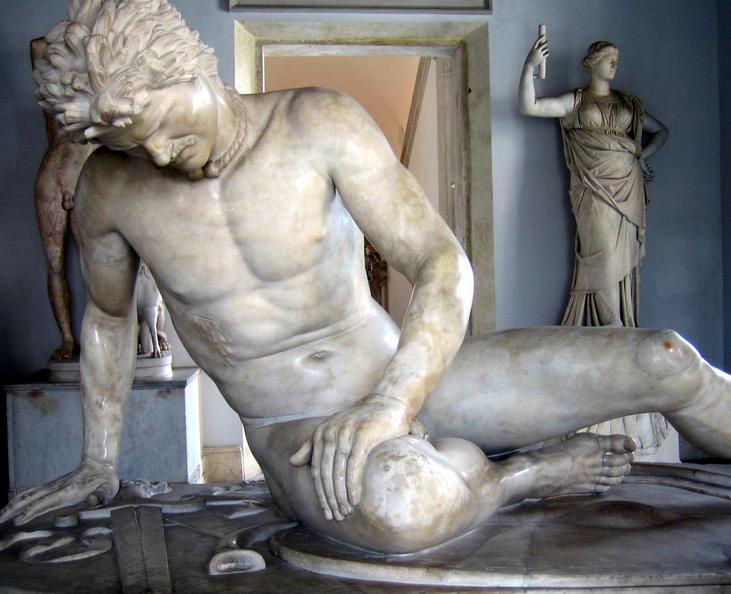
This Ancient Roman marble statue is actually a copy of an earlier Greek Hellenistic piece from the 3rd century B.C.E. The pathos, or emotional appeal, captured in the stone is simply remarkable.
2. The Sistine Chapel
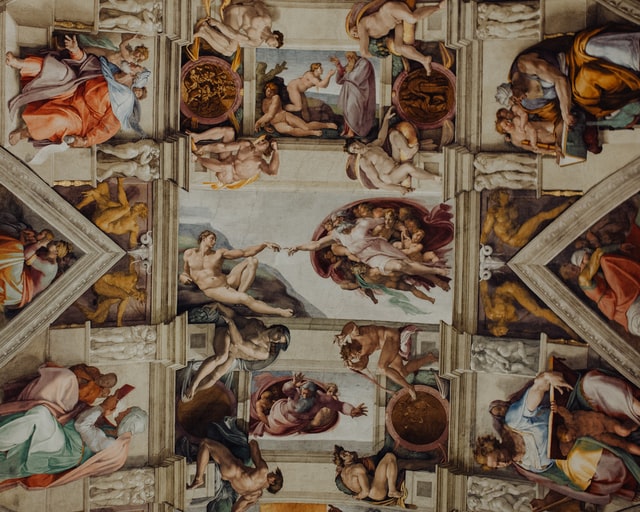
There’s a reason this chapel is famous, and it’s not just because Michelangelo painted the majority of it. Walk inside and there’s a tangible awe in the air that’s hard to describe — it’s difficult not to be amazed by the sheer scale and detail of the painted walls and ceiling.
3. St. Peter’s Basilica
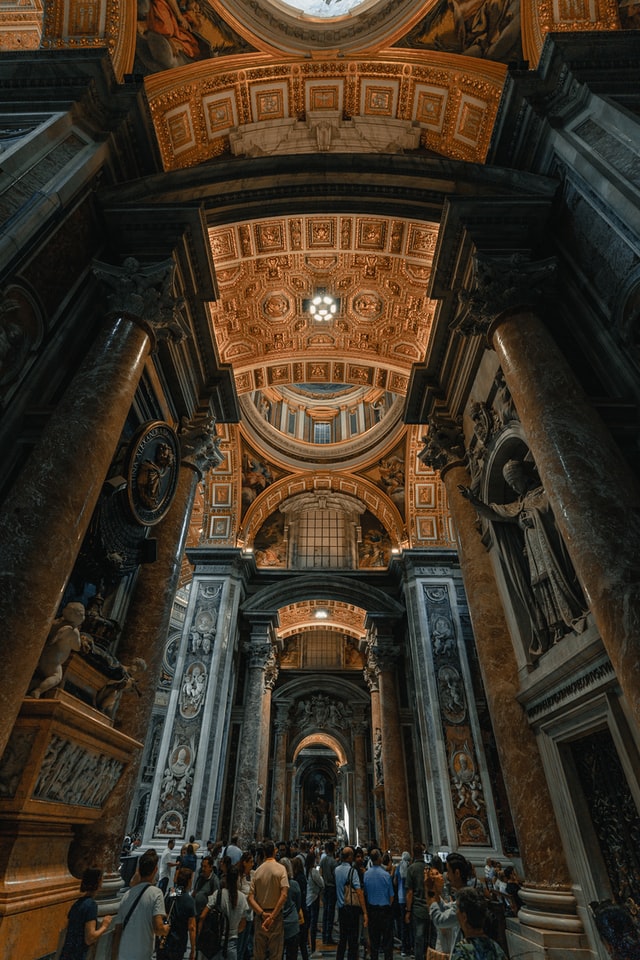
This Renaissance-era church, located within Vatican City, is one of the largest churches in the world. Regarded in Catholicism as one of its holiest shrines, the basilica marks the tomb of St. Peter. The Pope still gives sermons from inside the basilica or from St. Peter’s Square just outside.
4. La Pietà
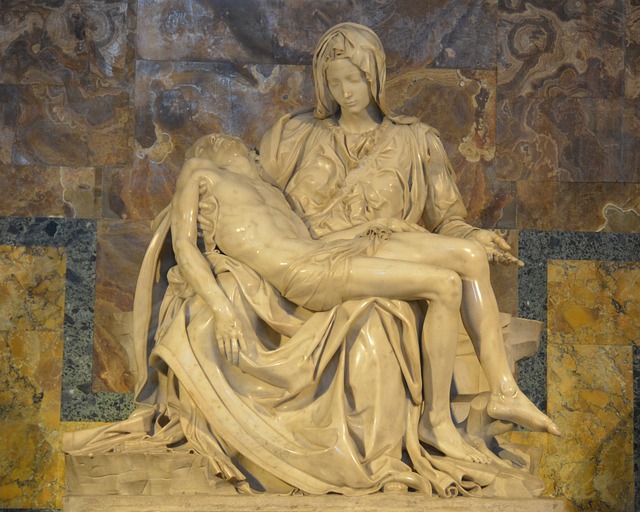
Michelangelo’s great talent came from his ability to draw real emotion out of raw materials. Whether working in fresco or, as here, cold marble, he manages to pull feeling from both his materials and his audience.
5. Trevi Fountain
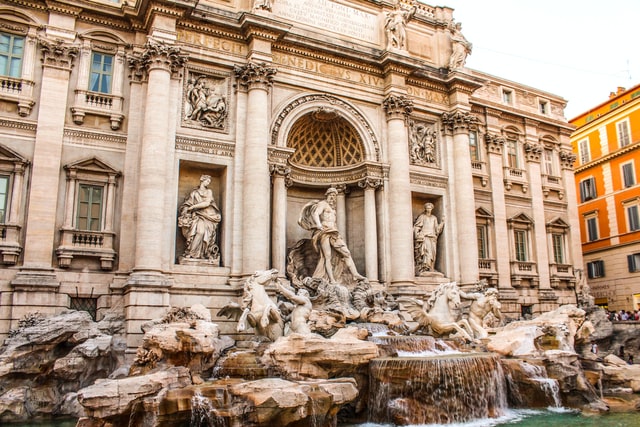
One of the largest fountains in the world, the Trevi Fountain rises roughly 86 feet high and stretches over 160 feet wide. Legend has it that centuries ago, a young girl guided thirsty Roman soldiers to a source of pure water that was later channeled into an aqueduct leading into the city — a scene portrayed on the fountain’s facade today.
6. The Fountain of the Four Rivers
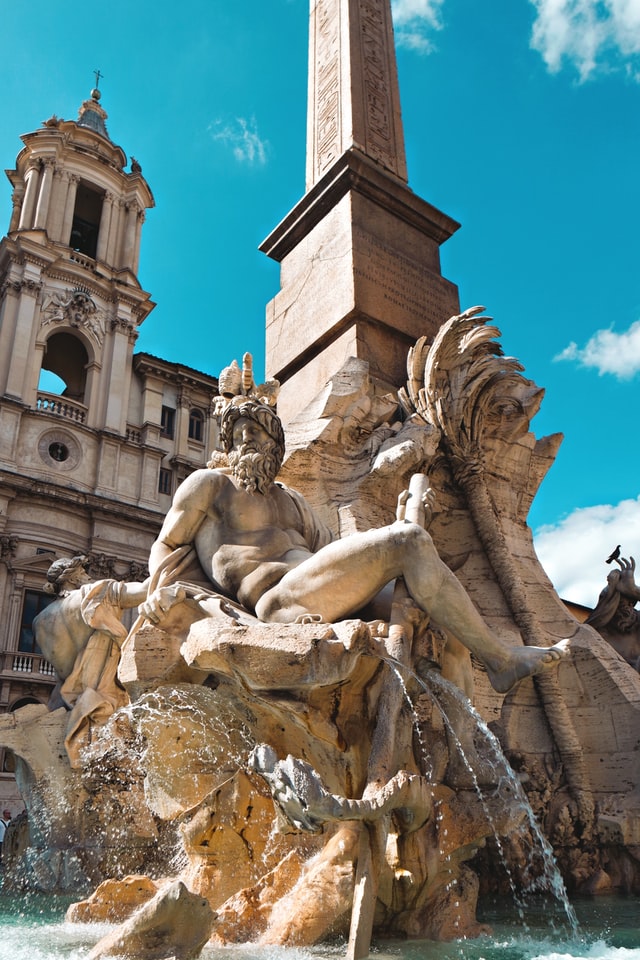
Travel around Italy and you’ll notice ancient Egyptian obelisks worked into Roman architecture — tokens the Ancient Romans brought back as symbols of conquest. The Fountain of the Four Rivers centers one of these obelisks, surrounded by four Baroque statues representing the major rivers of the continents under papal influence: the Nile for Africa, the Ganges for Asia, the Río de la Plata for the Americas, and the Danube for Europe.
Insider tip: unlike the Vatican Museums or Galleria Borghese, the Fountain of the Four Rivers is completely free to visit — any time, day or night.
7. Laocoön
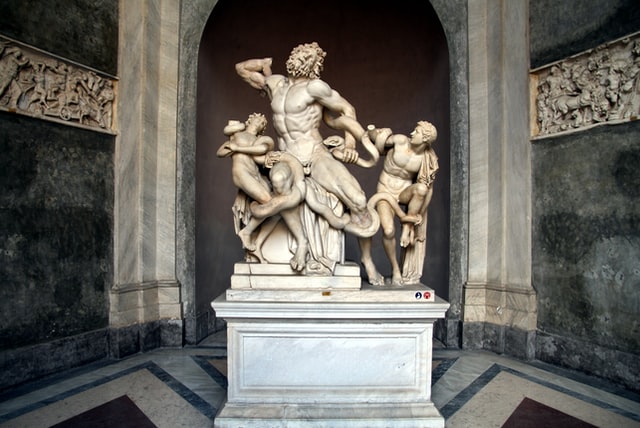
This remarkable sculpture dates back to the first century B.C.E. Held today in the Vatican Museums, it was rediscovered during the Renaissance after being buried for centuries. Michelangelo saw the piece shortly after its discovery, and it went on to inspire his own work, including the ceiling of the Sistine Chapel and sculptures like the Dying Slave.
Rome rewards the kind of slow, repeated looking that only comes from actually living there. That’s part of what draws so many of our au pairs to spend a year immersed in Italy rather than just passing through — along with the chance to build a life (and a host family) in Spain, France, or Australia.
FAQ: Seeing Rome’s Art in Person
Do I need to book tickets in advance for the Sistine Chapel or St. Peter’s Basilica?
Booking ahead is generally a smart move, especially in busy seasons. Timed-entry tickets for the Vatican Museums (which include the Sistine Chapel) help you skip long lines, while St. Peter’s Basilica itself is usually free to enter.
Is the Fountain of the Four Rivers really free to see?
Yes — it sits in the open-air Piazza Navona, so you can visit any time, day or night, with no ticket required.
How much time should I set aside to see these seven pieces?
Comfortably, plan for at least a full day, since the Vatican sites alone can take a half-day on their own. Spreading the list across two calmer days lets you actually take everything in.
Can au pairs living in Rome realistically visit these sites regularly?
Definitely. Au pairs get dedicated time off each week, which is a great chance to explore the city’s art and history at your own pace rather than rushing through it on a single trip.
If standing in front of centuries of art and calling Rome home (even for a while) sounds like your kind of adventure, Rome Abroad can help you make it real.

Part of the Rome Abroad team helping young women live and work abroad as au pairs since 2015.


